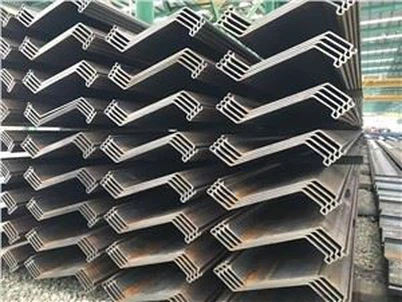
Steel H Piles
High: 100mm-900mm
Flange Width: 100mm-300mm
Wall Thickness: 6mm-16mm
Flange Thickness: 8mm-28mm
Description
Product Details:
|
Product name |
Steel H piles |
|
|
Size |
High(H) |
100mm-900mm |
|
Flange width(B) |
100mm-300mm |
|
|
Web thickness(t1) |
6mm-16mm |
|
|
Flange thickness(t2) |
8mm-28mm |
|
|
Length |
6-12m/pc or as your request |
|
|
Standard |
AISI, ASTM, BS, DIN, GB, JIS, etc. |
|
|
Material |
SS400, Q 235B,S235JR,Q345B, S355JR etc. |
|
|
Technique |
Hot rolled and welded |
|
|
Application |
1. Industrial structure of the steel structure bearing bracket. 2. Underground engineering steel pile and retaining structure. 3. Petrochemical and electric power and other industrial equipment structure 4. Large-span steel bridge components 5. Ships, machinery manufacturing frame structure 6. The train, automobile, tractor beam bracket 7. Port of conveyor belt, high-speed damper bracket |
|
|
Package |
Standard seaworthy packing or as required |
|
|
Port of Shipment |
Xingang Port, China |
|
|
Date of Delivery |
10-15 days after receiving the deposit |
|
|
Production |
5000t/ month |
|
|
Payment |
T/T, L/C, etc. |
|


The application of H-shaped steel piles in geotechnical engineering involves the calculation of vertical bearing capacity. This process is based on a certain theoretical basis. The following are the general steps for calculating the vertical bearing capacity of H-shaped steel piles:
1. Theoretical basis:
Basic theory of elasticity:
The bearing capacity calculation is based on the basic theory of elasticity, assuming that the soil deformation is elastic and satisfies Hooke's law. This means that within a small strain range, there is a linear relationship between stress and strain in the soil.
Load type:
The loads borne by steel H piles include static loads and dynamic loads. Static loads mainly come from the load of buildings or other heavy objects, while dynamic loads include changing loads such as wind loads and water loads.
Digging pile side resistance:
For bored piles, especially reinforced concrete walls, the side resistance of the pile needs to be considered when calculating the bearing capacity of the pile.
2. Calculation steps:
Determine the cross-sectional shape and size parameters of the pile:
Including pile length, section width, plate thickness, plate height, waist plate thickness, etc. The selection of these parameters is critical to the overall performance of the pile.
Calculate the stress conditions of the pile:
Determine the stress of piles in vertical bearing, including earth pressure, building weight, etc. Calculate the flexural bearing capacity and determine the reasonable burial depth.
Determine the vertical ultimate bearing capacity and lateral resistance:
Calculate the vertical ultimate bearing capacity and lateral resistance of the steel pile through appropriate formulas or methods. This may require consideration of soil characteristics, pile shape, and other factors.
Verify strength and stability:
Conduct strength and stability verification to ensure that the pile has sufficient strength and stability under actual loads. This may involve considerations such as bending strength, torsional strength, etc.
Safety and reliability verification:
Ultimately, it is ensured that the steel H piles can safely and reliably bear the design load and meet the requirements of geotechnical engineering.
The specific implementation of these steps may involve different calculation methods, formulas, and soil mechanics parameters. The specific calculation process needs to be carried out according to the specific engineering conditions and design requirements.
Our factory:


Hot Tags: steel h piles, China, suppliers, manufacturers, factory, customized, wholesale, bulk
Send Inquiry
You Might Also Like