


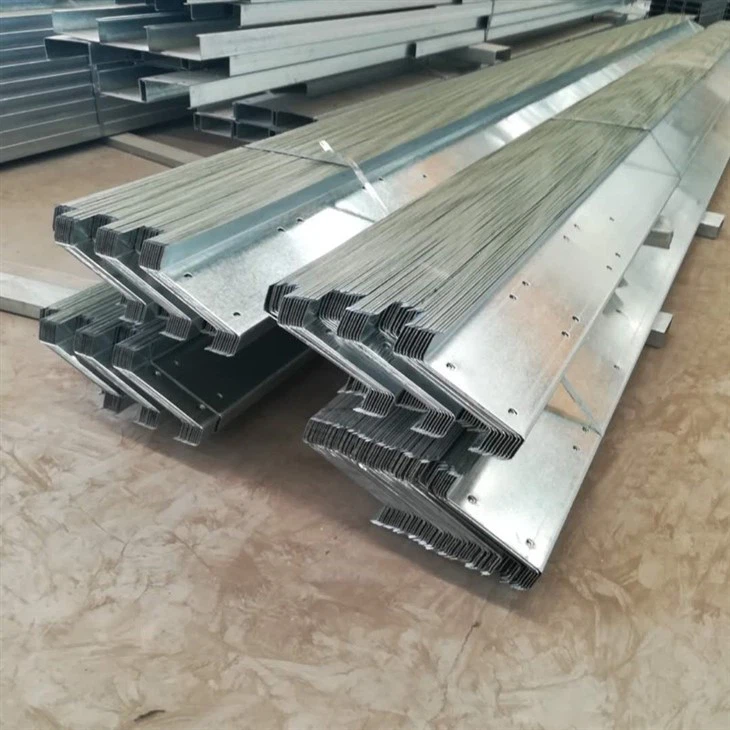

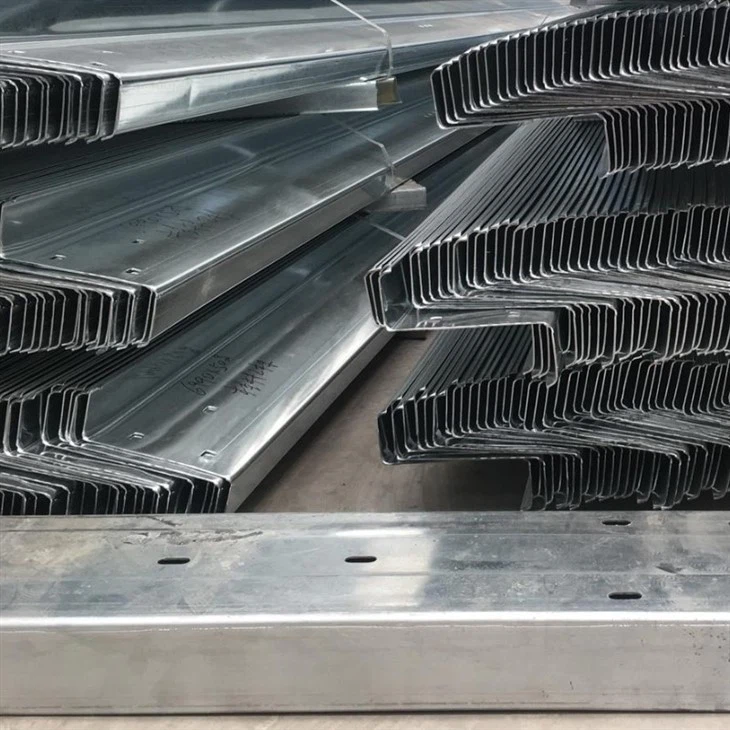
Description
Product Specification
Size | 40-500mm |
Wall thickness | 1.5-4mm |
Height | 20-300mm |
Technique | Hot Rolled Steel |
Surface | Galvanized & Black or as your request |
Treatment | polish;painted;galvanized;punched |
Material Grade | JIS, ASTM, GB, EN, etc. |
Package | in bundle |
Delivery Time | 20-25 days for production |
Loading Port | Xingang, Tianjin, China |
MOQ | 3-5 tons |
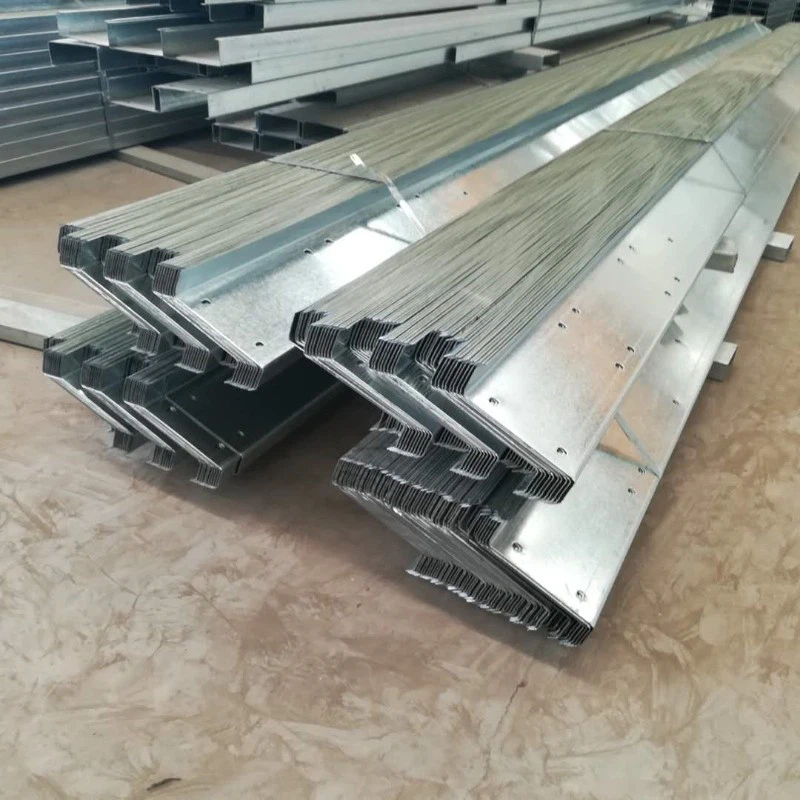
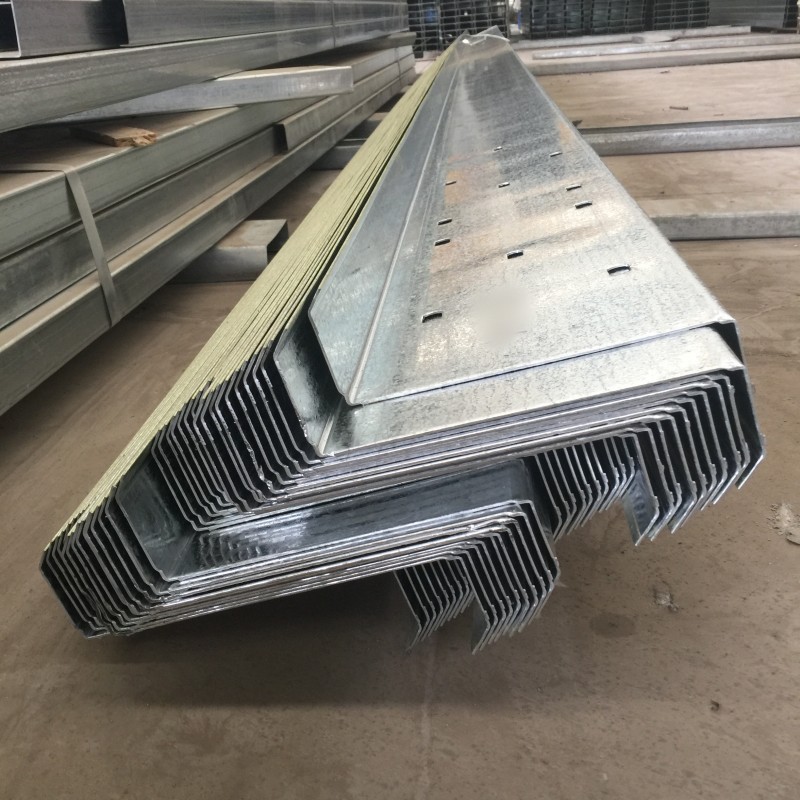
Steel structure purlins are important secondary components in steel structure factories and other buildings. They are usually included in the steel component part of the inventory and generally need to be listed separately. Purlins refer to the bending members that bear roof loads in purlin system roof structures. The cross-section forms of purlins generally include H-shaped steel, C-shaped steel, Z-shaped steel, etc. Their function is to reduce the span of the cabin panel and fix the roof panel. The main function of the purlins is to lay the roof steel plates. If there are no purlins, the span of the steel plate will cause large deflections. If the column spacing is particularly large, horizontal and vertical beams should also be installed to meet the conditions for laying steel plates on the roof.
Classification of steel structure purlins
Common steel purlins include C-shaped steel purlins and Z purlins for sale.
1. C-shaped steel
C-shaped steel is made of hot rolled plate and cold-bent. It has a thin wall, lightweight, has excellent cross-sectional performance, and has high strength. C-shaped steel rolled by a forming machine has a smooth surface and high dimensional accuracy. Material: Q195-345.
C purlins price is widely used in purlins and wall beams in other buildings, and can also be assembled into lightweight roof trusses, brackets, and other building components. In addition, it can also be used for columns, beams, and arms in mechanical light industry manufacturing.
2. Z-shaped steel
Z purlins for sale near me are mainly used for purlins in steel structure buildings, especially for purlins on large-slope roofs.
3. The difference between C-type and Z-type purlins
The angles of Z-type purlins and C-type purlins are different. The C-type is 90 degrees, and the Z-type is less than 90 degrees, roughly 60 to 75 degrees. Therefore, when using purlins on a roof with a certain slope, the angle of the purlins must be considered based on stress knowledge.
Compared with the Z-type section, the mechanical properties of the strong and weak axes of the C channel purlin are greatly different, and the connection with the rigid frame is mostly bolted. The calculation must be considered as simply supported (Z-type sections can achieve rigidity through reliable overlap. connection, so it can be calculated as a continuous beam). Therefore, from the perspective of stress state, calculation results, and structure, the latter is more reasonable. Therefore, except for door and window openings and other special node processing needs, Z-shaped sections should be preferred. Wall purlins and roof purlins with small resting slopes can be C-shaped; roof purlins with larger resting slopes should be Z-shaped. It is best to make the resultant force of the roof load pass through the cross-sectional center of the Z-shaped purlins.
In addition, in addition to the common steel structure purlins, there are also secondary purlins. The primary purlins are connected and installed on the columns and beams of the roof and exterior wall structures, while the secondary purlins are used to connect the roof panels and exterior wall panels to the basic structure. The primary and secondary purlins are the main structural components commonly used in modern steel structure building design.
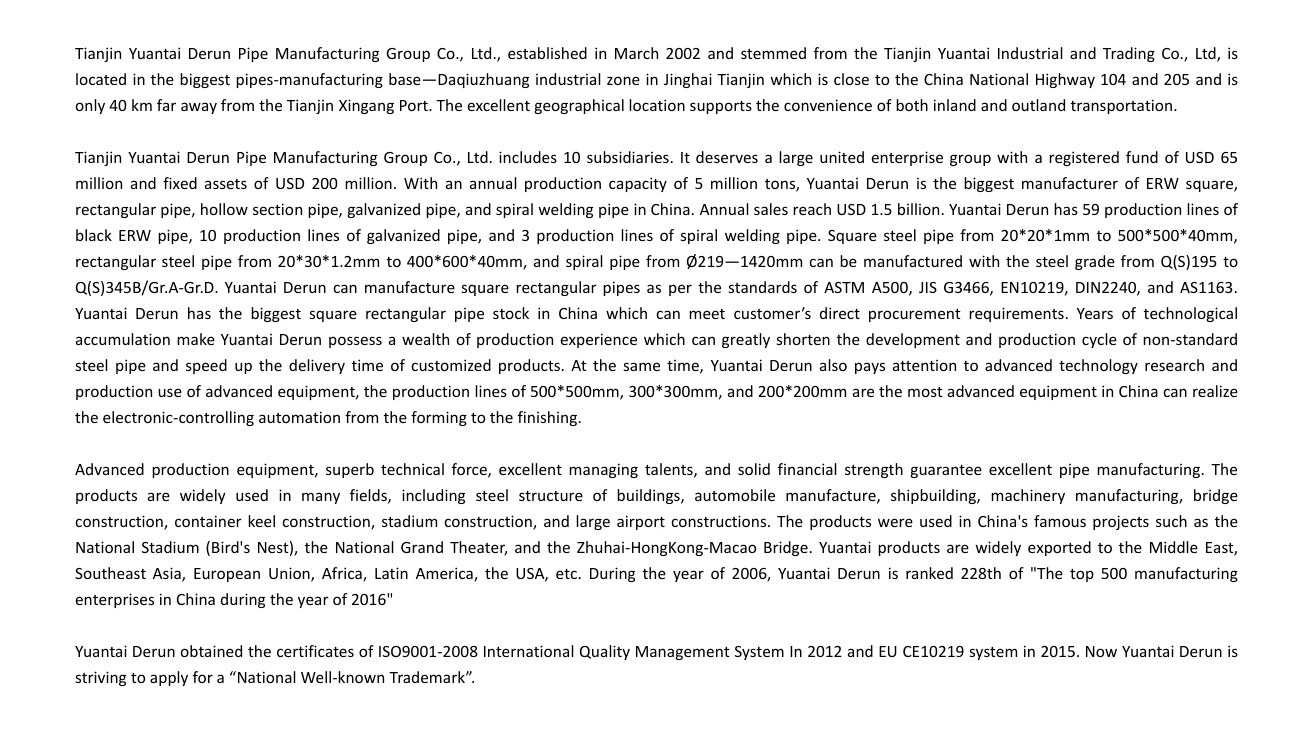
The introduction of our company:
Hot Tags: z purlins for sale, China, suppliers, manufacturers, factory, customized, wholesale, bulk
Send Inquiry
You Might Also Like


