What Is A Sigma Beam?
Leave a message
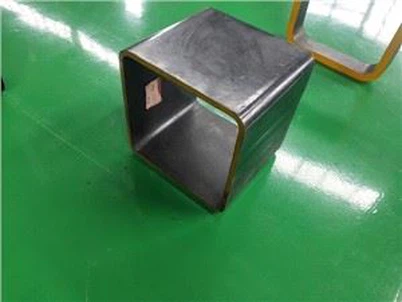
A Sigma beam refers to a type of beam that has been designed to resist bending and compressive forces. It is commonly used in building construction to support heavy loads, where traditional beams would be insufficient. Designed in the shape of an elongated “S”, a sigma beam is a lightweight yet incredibly strong structural component that can span long distances with minimal sagging or deflection.
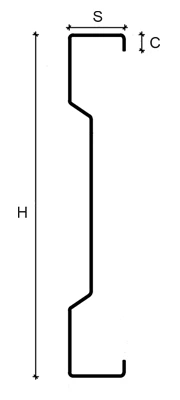
One major advantage of using a Sigma beam is its low weight, which makes it easy to handle and install. This is particularly important in tall or complex buildings, where heavy structural components can limit design options and increase construction costs. Additionally, the unique shape of a sigma beam allows it to distribute weight evenly across its entire length, which minimizes stress concentrations and reduces the risk of structural failure.
Another key benefit of sigma beams is their versatility. They can be used in a range of structural applications, including floor and roof systems, bridges, and industrial buildings. Sigma beams can also be customized to meet specific design requirements, such as load capacity, span length, and material choice. This makes them a popular choice for architects and engineers seeking to optimize building performance while balancing budget and material constraints.
Despite its many advantages, sigma beams are not suitable for all types of construction applications. For example, they may not be appropriate for buildings with heavy lateral loads or seismic activity, as such conditions can cause the beams to deform or fail. Additionally, sigma beams can be more expensive than other structural materials, such as steel or concrete.