

What Factors Will Affect Galvanised Tubing Prices?
Leave a message
Galvanized tubing, also known as galvanized steel tubing, is a type of steel tubing that has been coated with a layer of zinc to protect it from rust and corrosion. The zinc coating also gives the tubing a shiny, silver appearance, making it a popular choice for decorative and architectural applications.
Galvanized tubing is widely used in a variety of industries, including construction, manufacturing, and automotive. It is used to make a wide range of products, including fences, handrails, scaffolding, greenhouse structures, and more. The durability and corrosion resistance of galvanized tubing make it ideal for outdoor applications, where it will be exposed to moisture and other environmental factors.
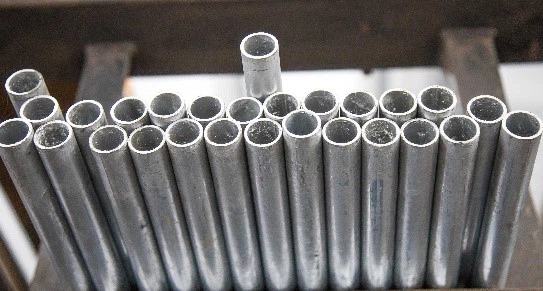
The price of galvanized tubing can vary depending on a number of factors, including the size, thickness, and quality of the tubing. In general, larger and thicker tubing will be more expensive than smaller and thinner tubing. The quality of the zinc coating can also affect the price, with higher-quality coatings typically costing more.
Other factors that can impact galvanised tubing prices include market demand, availability of raw materials, and manufacturing costs. For example, if there is a high demand for galvanized tubing and a limited supply of raw materials, prices may increase. Similarly, if manufacturing costs increase due to factors such as labor or energy costs, prices may also go up.
It is important for buyers of galvanized tubing to carefully consider their needs and budget when selecting tubing. They should also shop around and compare prices from multiple suppliers to ensure they are getting the best value for their money. Additionally, buyers should be aware of any applicable industry standards or regulations that may impact the quality or galvanised tubing prices.


