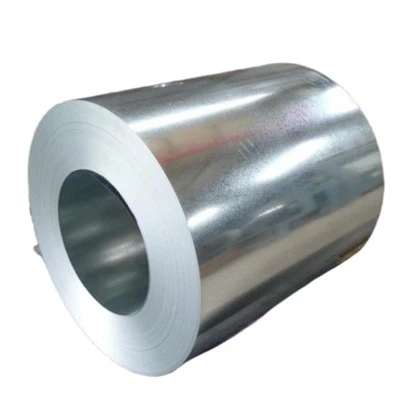
Q195 Steel Specs, Properties & Equivalent Grade Comparison
Leave a message
Q195 represents a standardQ195 is a low-carbon structural steel under Chinese standard GB/T 700, featuring a minimum yield strength of 195 MPa and excellent elongation (≥33%). Widely used for thin-wall hollow sections and pre-galvanized pipes, its nearest international equivalents include ASTM A283 Grade A/B, EN S185 (1.0035), and JIS SS330.
Technical Data and Chemical Composition
Q195 steel belongs to the low-carbon, non-alloy steel category. Its microstructure is predominantly ferritic, providing the softness required for deep drawing. The following data outlines the mandated chemical composition limits and mechanical performance standards for Q195 steel:
Table 1: Chemical Composition (Mass Fraction, %)
| Grade | C (Carbon) | Mn (Manganese) | Si (Silicon) | S (Sulfur) | P (Phosphorus) |
| Q195 | 0.06−0.12 | 0.20−0.50 | ≤0.30 | ≤0.040 | ≤0.035 |
Table 2: Mechanical Properties (Reference Thickness ≤16mm)
| Property | Value (Metric) |
| Yield Strength (ReL) | ≥195 MPa |
| Tensile Strength (Rm) | 315−430 MPa |
| Elongation (A,δ5) | ≥33% |
| Density | 7.85 g/cm3 |
Professional Comparison: Q195 vs. Q235.
When deciding between Q195 and Q235, engineers focus primarily on the intended load-bearing capacity. Although both grades fall under the same GB/T standard, they serve different purposes. Q195 is the 'soft' option, favored for its high ductility in cold-forming, whereas Q235 offers the extra structural strength needed for more demanding builds.
Table 3: Technical Comparison Table
| Feature | Q195 Carbon Steel | Q235 Carbon Steel |
| Carbon Content | Very Low (≤0.12%) | Low (≤0.22%) |
| Primary Advantage | High Plasticity/Formability | Moderate Strength/Load Bearing |
| Weldability | Excellent (No pre-heat) | Good (General standards) |
| Typical Forms | Wire, Thin Strip, Light Pipes | Beams, Plates, Structural Angles |
| Bend Test | 180∘ (Very tight radius) | 180∘ (Larger radius) |
Manufacturing and Quality Control in 2026
To align with the carbon-neutrality targets of 2026, Q195 production has moved toward a "Green Steel" model. Modern facilities are increasingly replacing traditional coal-fired blast furnaces with Electric Arc Furnaces (EAF). This shift allows mills to melt high-quality scrap metal using electricity rather than iron ore and coke. By leveraging this recycled-input method, producers can drastically lower the carbon intensity of Q195, effectively cutting greenhouse gas emissions while maintaining the material's signature ductility.
Quality Assurance Protocols
In-line Spectrometry: Real-time chemical analysis during the melt.
Cold Bend Testing: A critical pass/fail metric where a sample is folded flat.
Surface Inspection: Utilizing automated laser systems to detect scale or slivers in cold-rolled coils.

Fabrication: Welding and Machining
Q195 is prized for its metallurgical stability during thermal processing. Its low Carbon Equivalent (CEV) value makes it nearly immune to hydrogen-induced cracking.
Welding Techniques: Compatible with GMAW (MIG), GTAW (TIG), and Resistance Spot Welding. The heat-affected zone (HAZ) retains excellent toughness.
Cold Forming: Ideal for "Deep Drawing" operations. It can be formed into complex containers or thin-walled tubing without work-hardening too quickly.
Surface Treatment: Its clean surface chemistry makes it an ideal substrate for hot-dip galvanizing and electroplating.
Q195 Equivalent: International Cross-Reference and Technical Mapping
When navigating global steel procurement, identifying the precise Q195 equivalent is critical for ensuring mechanical compliance across different regulatory frameworks. Below is the technical breakdown of how Q195 aligns with ASTM, EN, JIS, and DIN standards.
Global Equivalency Table for Q195 Steel
This table serves as a professional cross-reference for engineers and procurement specialists to identify the nearest functional equivalents:
Table 4: Q195 equivalent Table
|
Standard Organization |
Equivalent Grade |
Material Category |
|
ASTM (USA) |
ASTM A36 / Gr.B |
Carbon Structural Steel |
|
EN (European Union) |
S185 / 1.0035 |
Non-alloy Quality Structural Steel |
|
JIS (Japan) |
SS330 / SPHC |
Rolled Steel for General Structure |
|
DIN (Germany) |
St33 |
Conventional German Industrial Grade |
|
ISO (International) |
HR2 |
Hot-rolled Steel Sheet |
|
BS (United Kingdom) |
040A10 |
British Standard Equivalent |
Technical Comparison: Mechanical & Chemical Requirements
Choosing a Q195 equivalent grade requires a close analysis of the chemical variances that affect weldability and forming. While these grades are functionally interchangeable in most structural applications, the following differences should be noted:
Yield Strength (Re): Q195 specifies a minimum yield of 195 MPa. In contrast, ASTM A36 has a higher yield point (250MPa), making it a "safer" but stiffer substitute.
Carbon Content (C): Q195 typically maintains C ≤ 0.12%. EN S185 and JIS SS330 offer similar low-carbon profiles, ensuring high ductility for cold-forming processes.
Tensile Strength (Rm): The tensile range for Q195 is 315–430 MPa, which aligns closely with DIN St33 and ISO HR2, making them ideal for light-duty structural components and pipe manufacturing.
2026 Market Drivers and Sustainability
The 2026 steel market is heavily influenced by "Green Steel" certification. Q195 produced with over 90% recycled content is now the industry standard for manufacturers aiming for carbon neutrality.
Furthermore, the industry is adapting to the 2026 Export Licensing System, which introduces mandatory oversight for almost all steel shipments. Under these new regulations, exporters must provide a manufacturer-verified Quality Inspection Certificate and a valid trade contract to obtain a license. This administrative shift aims to eliminate low-quality "tax-evading" exports and ensures that international buyers receive materials that strictly meet global compliance and safety standards.
FAQ
Q:What is Q195 steel used for?
A:Q195 is used for galvanized pipes, thin-wall hollow sections, wire, and light structural parts where high ductility and easy cold-forming matter more than strength.
Q:What is the ASTM equivalent of Q195?
A:The nearest ASTM equivalents are ASTM A36 and Gr.B carbon structural steel, though A36 has a higher yield (250 MPa) than Q195 (195 MPa).
Q:What is the EN equivalent of Q195?
A:Under EN standards, Q195 is closest to S185 (material number 1.0035), a non-alloy quality structural steel.
Q:Q195 vs Q235: which should I choose?
A:Choose Q195 for maximum ductility and deep drawing; choose Q235 when the structure needs higher load-bearing strength.
Q: Is Q195 good for welding?
A: Yes. Q195 has very low carbon (≤0.12%) and a low Carbon Equivalent, so it welds easily with GMAW/TIG/spot welding and rarely needs pre-heating.