


Description
What is the size of a cattle panel?
Cattle panels usually measure 16 feet long by about 50 inches wide, and the openings in the grid range from 4 to 8 inches, with some variation depending on the model and manufacturer.
Steel cattle panels, also known as cattle or livestock fencing, are an essential component of modern farming and livestock management. These panels are made of high-strength steel, which provides exceptional durability and resilience against wear and tear. Steel cattle panels are commonly used in livestock enclosures, feedlots, and ranches to create secure, robust, and long-lasting fences for cattle, horses, and other large animals.
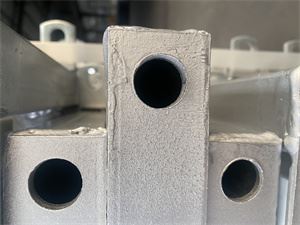
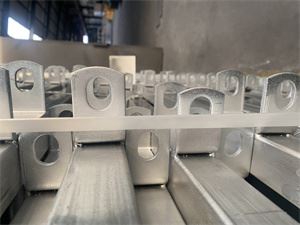
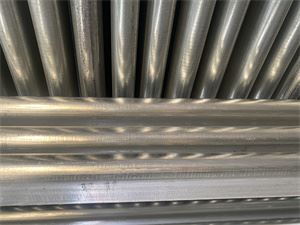
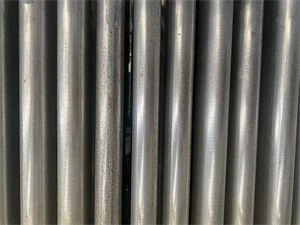
Steel cattle panels come in various sizes, designs, and shapes to suit different farming and livestock management needs. They are typically manufactured using advanced welding techniques and coated with rust-resistant paint or galvanized to withstand harsh weather conditions.
One of the significant advantages of steel cattle panels is their versatility. They can be easily assembled and disassembled, making them ideal for temporary or permanent livestock fencing. Steel cattle panels are also cost-effective, providing farmers and ranchers with an affordable fencing solution that offers excellent durability and long-lasting performance. Overall, steel cattle panels are an indispensable tool for managing livestock effectively and efficiently.
What's the difference between horse panel, stock panel, hog panel, and cattle panel?
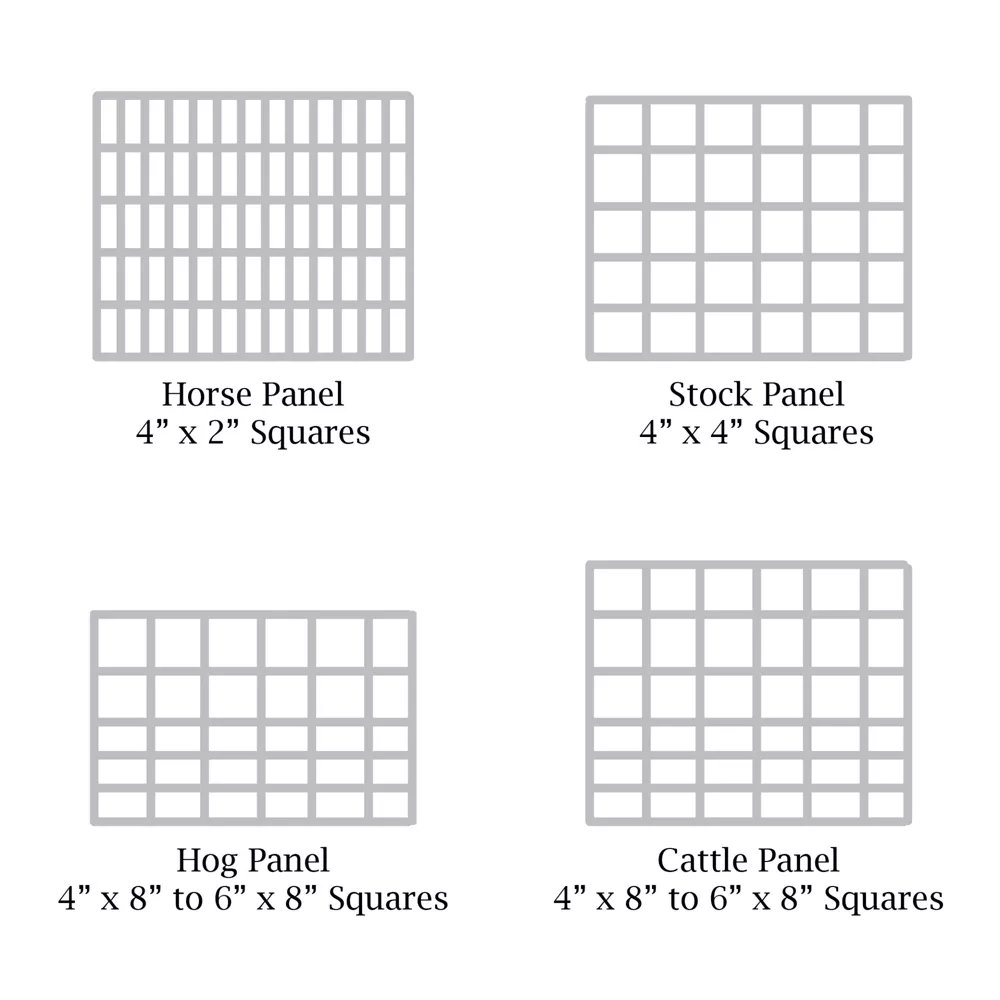
All could be made according to different zinc coating requests.
Horse panels, stock panels, hog panels, and cattle panels are all types of metal wire panels commonly used in the construction of livestock enclosures, such as pens, fences, and gates. While they are similar in appearance, there are some differences in their design and intended use.
Horse panels are typically made with narrower vertical openings, usually around 2 inches, to prevent horses from getting their legs caught in the fence. These panels are also generally taller than other types of panels, often standing at 5 or 6 feet tall.
Stock panels, on the other hand, are designed to be versatile and used for a variety of livestock, including sheep, goats, and cattle. They have wider vertical openings, usually around 4 inches, which can accommodate larger animals. They are also typically shorter than horse panels, often standing at 4 feet tall.
Hog panels, as the name suggests, are designed specifically for use with pigs. They have smaller openings, usually around 3 inches, to prevent the pigs from getting their heads stuck in the fence. They are also usually shorter than stock panels, standing at around 3 to 4 feet tall.
Cattle panels are similar to stock panels in design, with wider vertical openings to accommodate larger animals. However, they are usually taller than stock panels, standing at around 5 to 6 feet tall, to contain larger cattle.
In summary, the main differences between horse panels, stock panels, hog panels, and cattle panels lie in their vertical opening size and intended use. Horse panels have narrow openings and are tall, while stock panels are versatile and have wider openings. Hog panels have smaller openings to prevent pigs from getting their heads stuck, and cattle panels are taller and designed specifically for larger cattle.
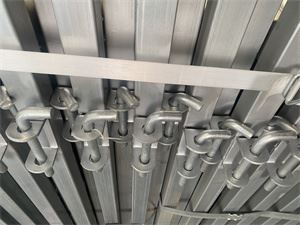
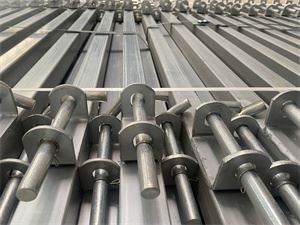
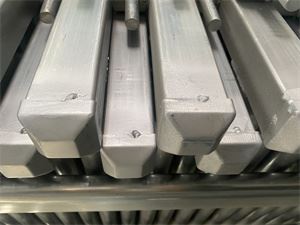
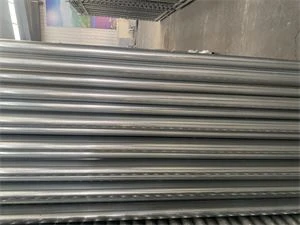
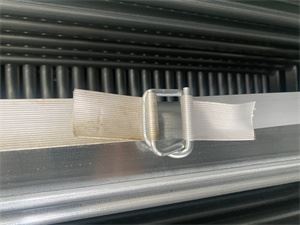
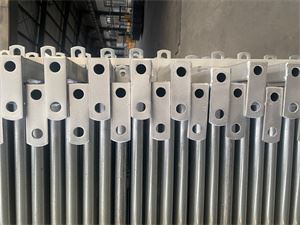
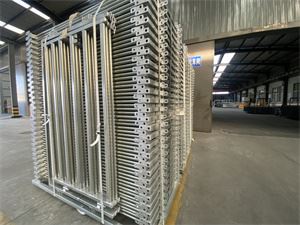
Cargo's details' Quality

How to get the price?
Send the mail is quite effective and it will be replied to in 24h.
Hot Tags: cattel panel, China, suppliers, manufacturers, factory, customized, wholesale, bulk
Send Inquiry
You Might Also Like


