What Is The Difference Between Mild Steel Pipes And Seamless Steel Pipes?
Leave a message

Mild steel pipes and seamless steel pipes are both widely used in various industries, but they have distinct characteristics and applications due to their manufacturing processes and material properties. Here's a comparison of the two:
1. Manufacturing Process:
(1)Mild Steel Pipes: These are typically made from low carbon steel and can be manufactured using two methods: welded and seamless. Welded mild steel pipes are formed by rolling a flat sheet of steel and welding the seam, either by electric resistance welding (ERW) or submerged arc welding (SAW). Seamless mild steel pipes are made by drawing a solid billet through a die to create a hollow tube without a weld.
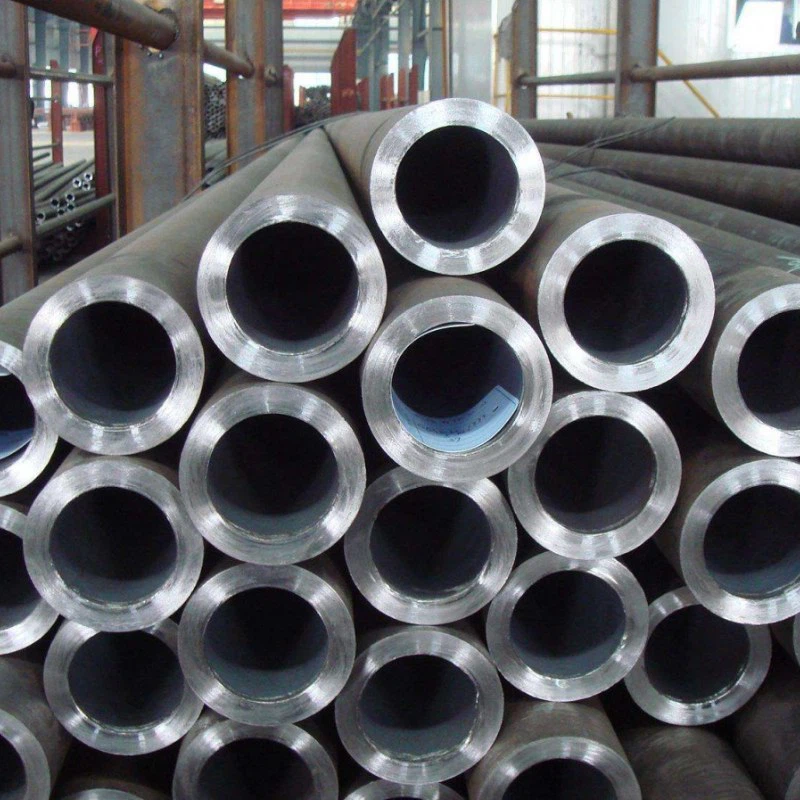
(2)Seamless Steel Pipes: As the name suggests, seamless steel pipes do not have a weld or seam. They are manufactured using processes like hot rolling, extrusion, or piercing, where a solid billet of steel is heated and then formed into a hollow pipe. The seamless nature of these pipes is achieved by the continuous grain flow from the inside to the outside surface.
2. Strength and Durability:
(1)Mild Steel Pipes: While mild steel is generally ductile and easy to work with, the presence of a weld in welded mild steel pipes can be a point of weakness, especially under high pressure or stress. However, seamless mild steel pipes have uniform strength throughout the pipe.
(2)Seamless Steel Pipes: Seamless pipes are known for their superior strength and durability. The lack of a weld means there are no weak points, making them ideal for high-pressure applications and environments where the pipe may be subjected to stress or impact.
3. Applications:
(1)Mild Steel Pipes: Due to their cost-effectiveness and ease of manufacturing, welded mild steel pipes are commonly used in structural applications, such as scaffolding, framing, and general construction. Seamless mild steel pipes are used in applications requiring higher strength and pressure resistance, such as in hydraulic systems and gas lines.
(2)Seamless Steel Pipes: Seamless pipes are preferred for applications that demand high reliability and strength, such as in the oil and gas industry, aerospace, automotive, and for high-pressure pipelines.
4. Cost:
(1)Mild Steel Pipes: Generally, mild steel pipes are more cost-effective compared to seamless pipes, especially welded ones, due to the simpler manufacturing process.
(2)Seamless Steel Pipes: The manufacturing process for seamless pipes is more complex and requires more resources, which typically results in a higher cost compared to mild steel pipes.
5. Corrosion Resistance:
Both types of pipes can be galvanized or coated to improve their corrosion resistance, but the seamless nature of seamless steel pipes can provide a slight advantage in certain environments.
In summary, the choice between mild steel pipes and seamless steel pipes depends on the specific requirements of the application, including factors such as pressure resistance, strength, cost, and the environment in which the pipe will be used.
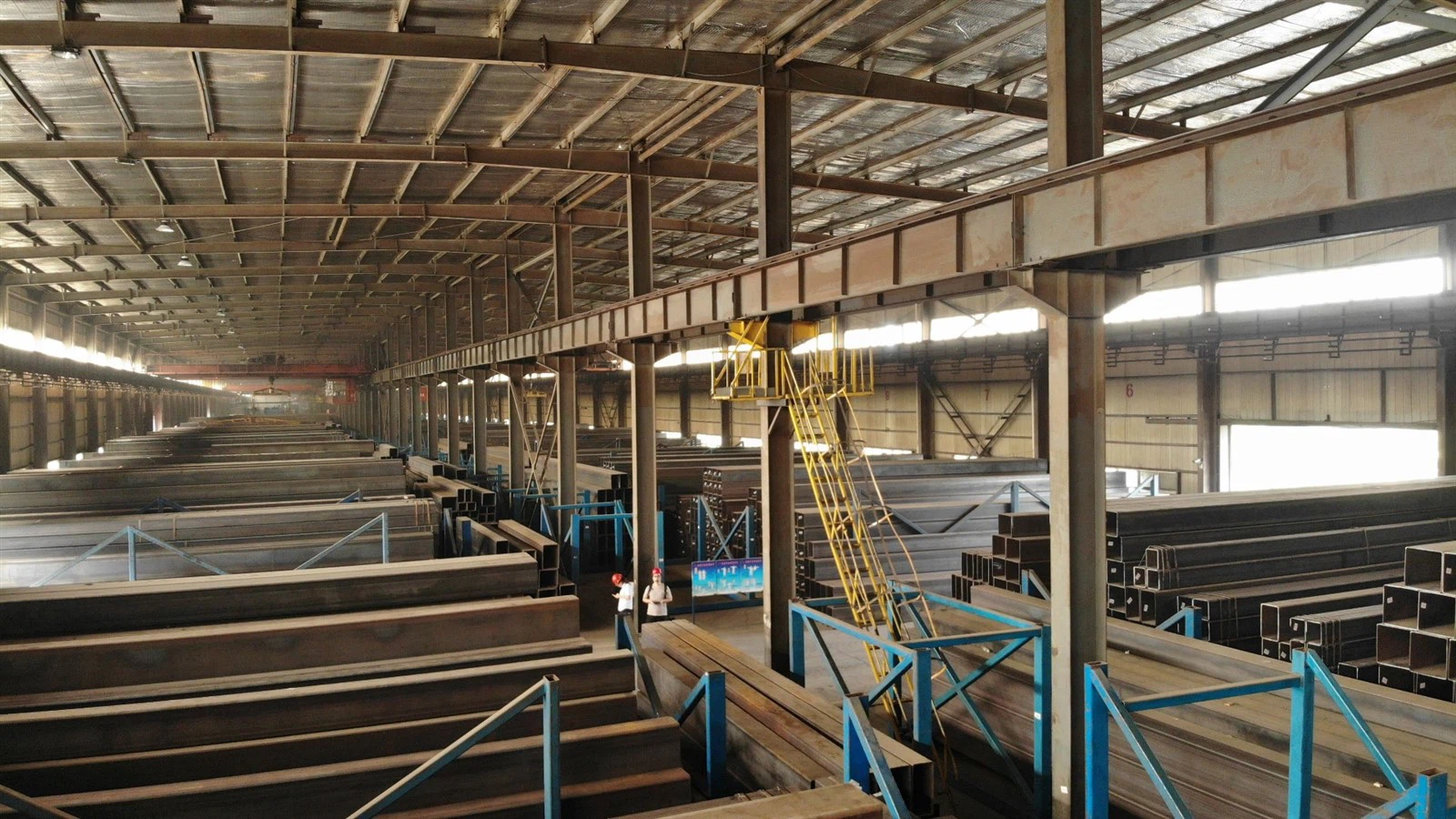
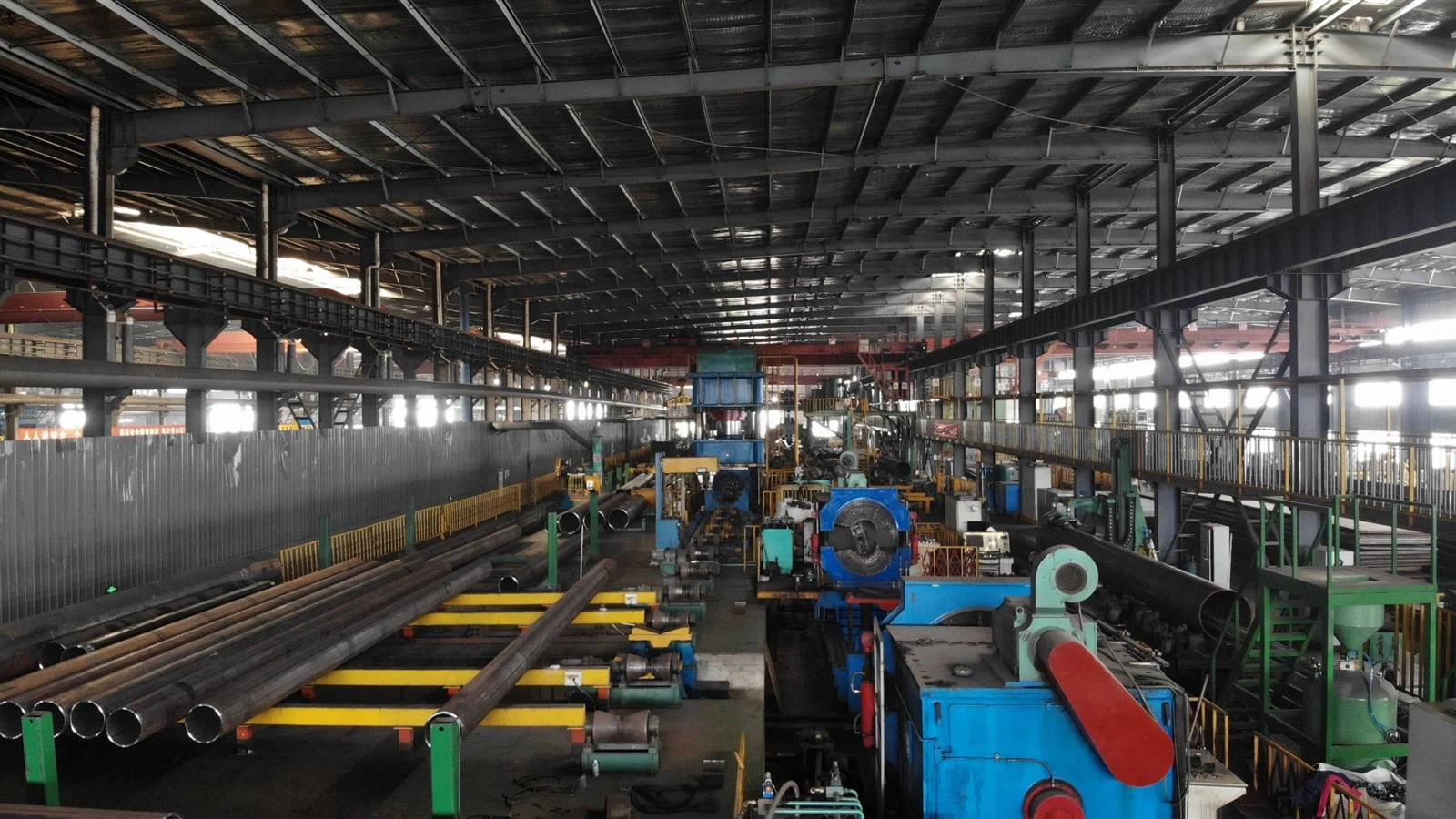
Our factory: