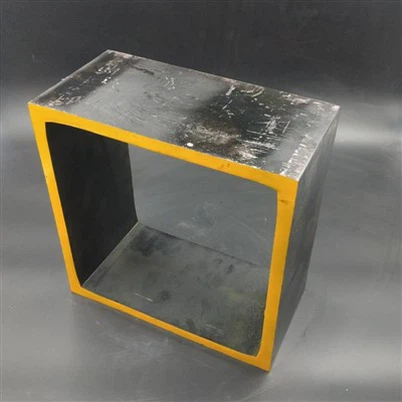
Versatile Steel Plates
Leave a message
Carbon steel plates are a crucial component in various industries due to their strength, durability, and cost-effectiveness.

Properties
Carbon steel plates are alloys primarily composed of iron and carbon, with carbon content ranging from 0.12% to 2.1% by weight. The high carbon content gives carbon steel its characteristic strength and hardness. Here are some key properties:
Strength and Hardness: The carbon content increases the strength and hardness of the steel, making it suitable for heavy-duty applications.
Weldability: Carbon steel plates are easily welded, which is beneficial for various construction and manufacturing processes.
Machinability: Carbon steel is relatively easy to machine, allowing for the creation of complex shapes and designs.
Corrosion Resistance: While not as resistant as stainless steel, carbon steel can be treated to improve its resistance to corrosion.
Cost-Effectiveness: Carbon steel is more affordable compared to other steels, making it an attractive option for many applications.
Applications
The versatility of carbon steel plates makes them suitable for a wide range of applications:
Construction: They are used in the construction of buildings, bridges, and other infrastructure due to their strength and durability.
Automotive Industry: Carbon steel is used in the manufacturing of car bodies and automotive parts.
Shipbuilding: The strength of carbon steel makes it ideal for the hulls of ships and other marine structures.
Machiney and Equipment: Carbon steel plates are used in the manufacturing of heavy machinery and various industrial equipment.
Pressure Vessels: They are used in the construction of pressure vessels and tanks in industries such as oil and gas.
Manufacturing Process
The production of carbon steel plates involves several stages:
Hot Rolling: The slabs are heated and passed through rollers to reduce their thickness and achieve the desired dimensions.
Cooling and Coiling: The hot-rolled steel is cooled and then coiled for further processing or shipping.
Cold Rolling: In some cases, hot-rolled steel is further processed through cold rolling to achieve a smoother surface and tighter tolerances.
Heat Treatment: Depending on the application, the steel may undergo heat treatment processes to improve its mechanical properties.
Carbon steel plates are an essential material in modern industry, offering a balance of strength, cost, and workability. As technology advances, the applications and manufacturing processes for carbon steel continue to evolve, ensuring its relevance in a wide array of sectors.