Steel Pipe Curtain Walls: Strength And Design Guide
Leave a message

When you see a soaring glass skyscraper, the real magic isn't the glass-it's the structural skeleton underneath. While aluminum is fine for small-scale work, curtain wall steel pipes are the definitive choice for high-performance facades where slim profiles and massive strength are non-negotiable.
Breaking the Limits of Standard Framing
Why switch from aluminum to steel? It boils down to stiffness. In engineering terms, steel has a much higher modulus of elasticity.
When you're designing a 10-meter-high lobby wall, aluminum mullions often become too bulky to handle wind pressure without bending (deflection). Hollow Structural Sections (HSS), or steel pipes, allow for much taller vertical spans with significantly thinner "sightlines." You get a cleaner look and a structure that won't vibrate during a storm.
Technical Specs: The Grades and Sizes That Matter
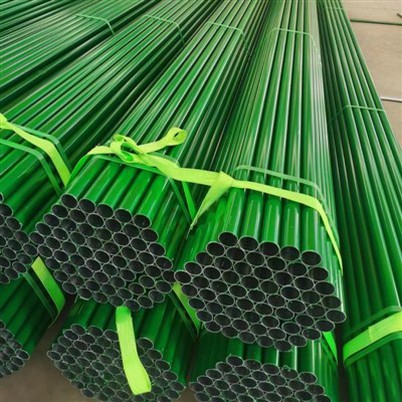
Choosing a pipe isn't just about size; it's about the chemistry of the metal. If you're sourcing materials, these are the grades and shapes actually specified on modern blueprints:
1. The "Big Three" Material Grades
S355 JRH /S355 J2H: The workhorse of European construction. It's highly weldable and tough enough for high-altitude wind loads.
Q355B / Q355D: Dominating global supply chains, this grade offers incredible yield strength for large-scale infrastructure.
ASTM A500 Grade C: The preferred choice for cold-formed structural tubing in the Americas.
2. Common Dimensions for Facade Mullions
Engineers calculate the profile based on the specific load-bearing requirements of each floor:
| Pipe Profile | Standard Dimensions (mm) | Wall Thickness | Best For |
| Rectangular (RHS) | 160×80 to 250×150 | 5.0 – 12.0 mm | Primary vertical mullions in high-rise towers. |
| Square (SHS) | 120×120, 150×150 | 6.0 – 10.0 mm | Corner supports and modular grid structures. |
| Circular (CHS) | Φ168, Φ219, Φ325 | 8.0 – 16.0 mm | Exposed "Spider" glass systems and airport trusses. |
Case Studies: From Airports to Spires
Beijing Daxing International (The "Starfish") Airport

To support this massive, flowing roof, designers relied on Circular Hollow Sections (CHS). By using steel pipes with diameters up to Φ600mm, they created a support system that mimics organic shapes, allowing for vast, pillar-free spaces that traditional I-beams simply couldn't achieve.
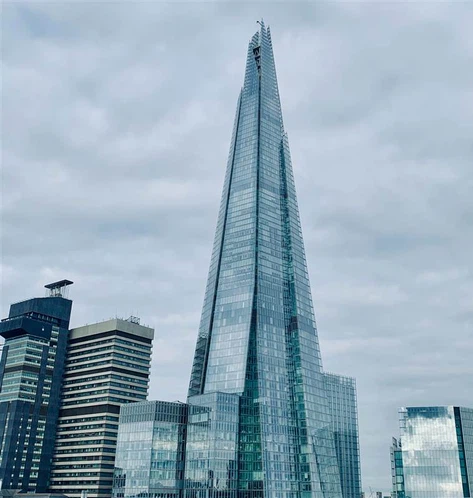
The Shard, London
At over 300 meters in height, The Shard is constantly exposed to strong wind loads. To cope with this, high-strength S355 steel pipes were used in the upper structure. With a wall thickness of 12 mm, the design kept the tower's slim appearance while providing enough stiffness to hold the glass façade in alignment, even in harsh weather conditions.
Fighting Corrosion: The Final Step
The old argument against steel was rust. Modern coating technologies have solved this:
Hot-Dip Galvanization: Provides a metallurgical bond of zinc that protects the steel for decades.
PVDF (Fluorocarbon) Coatings: A high-performance finish that resists UV degradation and ensures the frame looks pristine for 25+ years.
The Verdict
When a project calls for clear sightlines or reliable performance under strong wind loads, aluminum simply doesn't offer the same confidence as a steel pipe structure. Using HSS in grades such as Q355B or S355 provides the strength needed without compromising the overall design. It's not just about enclosing a space, but about creating a structure that combines long-term reliability with a clean, architectural finish.