Importance Of Steel Construction Engineering in Construction
Leave a message
Which is better for steel construction engineering? steel construction engineering has become one of the popular building materials in this century, and is often regarded as a very important part of modern buildings and homes. It is suitable for any type of project and offers several advantages that many steel construction projects rely on for structural safety.
1. Availability
Wide adoption makes it easy to find, both as raw material and as prefabricated components. Manufactured parts are often openly sold by suppliers (many factories sell locally and overseas), allowing the direct purchase of beams and frames. As a result, companies can work on tighter deadlines and secure a supply of steel-engineered components anywhere in the world. Once the construction plan is negotiated, steel structural engineering components can be ordered, saving on-site waiting time. This provided extra time to check measurements and find suitable storage space, issues that often delay construction by hours.
2. Weight
Its light weight makes it easy to transport the steel on land and lift it with a crane, reducing the amount of fuel wasted transporting them to the site. Additionally, this can make buildings easier to demolish. Lightweight for easy moving and rebuilding of the structure, the warehouse itself was dismantled and rebuilt 1 mile away, using little structural steel other than existing components. This increased mobility and versatility make structural steel an ideal building material for structures with additional land for expansion.

3. Sustainability
Which is better for steel construction engineering? As the demand for environmentally friendly buildings increases, steel construction engineering materials will be more conveniently used in construction projects. It can be easily recycled and requires no disposal, so old buildings or temporary supports can be repurposed for new projects as needed. Undamaged recycled steel-engineered components can be reused in other projects, eliminating the cost of melting down the alloy and re-cutting it into new components. If a building is to be demolished and rebuilt, existing components can be removed and reused to save money for future projects.
4. Strength
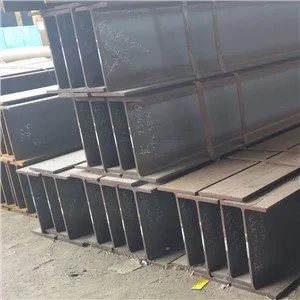
Which is better for steel construction? Due to its high strength-to-weight ratio, a single support or beam requires less steelwork material, reducing material costs and increasing its sustainability. It can withstand strong physical impact and force, keeping people in buildings safe, but won't wear out or need replacing. This extra strength can be preserved by design rather than the amount of steel used. Steel-engineered I-beams are often used in modern construction because they are lighter, stronger, and generate less waste than any wood beam of the same size. The natural fire- and rust-resistant properties of alloy steel construction make it suitable for exterior structures such as fire escapes or balcony supports.