How To Test The Physical And Chemical Properties Of Steel Plate Raw Materials?
Leave a message
When testing the physical and chemical properties of steel plate raw materials, the following steps can be followed:
Sample preparation: Take a sample of appropriate size from the steel plate raw material to ensure that the sample is representative. According to needs, samples from different locations can be selected for testing to obtain more comprehensive data.
Chemical composition analysis: Analyze the chemical composition of the sample using a spectrometer, elemental analyzer, or other appropriate equipment. These devices are able to detect the content of various elements in the sample, such as carbon, silicon, manganese, phosphorus, sulfur, etc. Ensure that the chemical composition of the sample complies with the required standards and specifications.
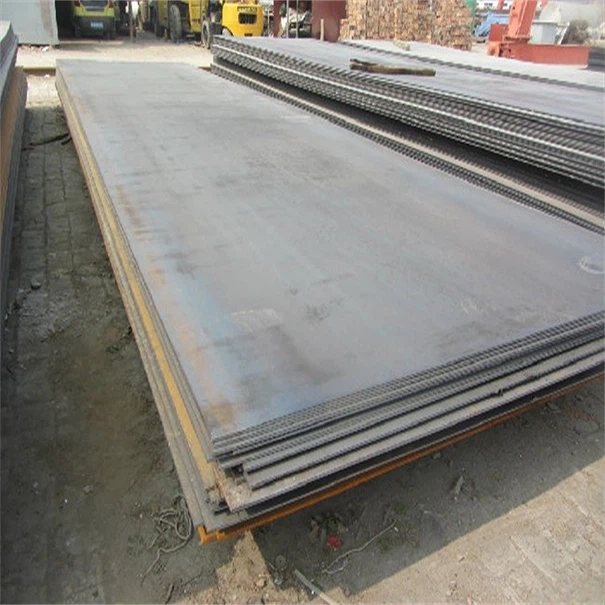
Mechanical property test: Perform mechanical property test to evaluate the strength, toughness, and ductility of steel plate raw materials. Common test methods include tensile testing, impact testing, and hardness measurements.
Tensile test: Put the sample into the tensile testing machine, gradually apply the tensile force, and measure the stress-strain curve during the stretching process, so as to determine the yield strength, tensile strength, elongation at break, etc. of the material.
Impact test: Use an impact testing machine to impact the sample to measure its absorption capacity and toughness under impact. Common impact test methods include the impact toughness test (such as the Charpy V-notch test) and the impact embrittlement temperature test (such as the Izod test).
Hardness measurement: Use a hardness tester (such as Brinell hardness tester, or Rockwell hardness tester) to measure the hardness of the sample surface to evaluate the hardness and strength of the material.
Physical property test: Conduct a physical property test to evaluate the density, thermal expansion coefficient, thermal conductivity, and other parameters of steel plate raw materials.
Density Test: The density of the sample is measured using a densitometer or other suitable equipment. Density is one of the important physical properties of materials, which can affect their mechanical properties and processing properties.
Coefficient of thermal expansion test: determine the coefficient of thermal expansion by measuring the length change of the sample at different temperatures. This can help us understand the dimensional stability of the material under temperature changes.
Thermal conductivity test: Use a thermal conductivity meter or other related equipment to measure the thermal conductivity of the sample.