You Don't Know The Details Of Galvanized Steel Pipe…
Leave a message
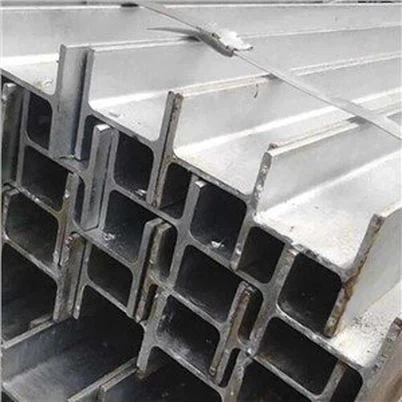
Galvanized steel pipe refers to steel pipe that has been coated with a layer of zinc. This process is called galvanization, and it helps to protect the steel from rust and corrosion, extending its lifespan and making it suitable for a wide range of applications.
1. What is galvanized steel pipe?
Galvanized steel pipe is a type of steel pipe that has been coated with a layer of zinc to protect it from rust and corrosion. The process of galvanization involves dipping the steel pipe into a bath of molten zinc, which creates a metallurgical bond between the zinc and the steel.
Galvanization is important for steel because it significantly increases its lifespan and durability. Zinc is a highly reactive metal that corrodes before steel, so when the zinc coating on a galvanized steel pipe begins to corrode, it protects the underlying steel from rust and corrosion.
Additionally, galvanized steel pipes are commonly used in outdoor and harsh environments where corrosion and rust are a concern. This is because the zinc coating provides an extra layer of protection against moisture and other environmental factors that can cause corrosion.
2. What is the process of galvanization?
Galvanization is the process of coating steel or iron with a protective layer of zinc to prevent rusting and corrosion. The process involves the application of zinc to the surface of the steel or iron through various methods such as hot-dip galvanization and electroplating.

Hot-dip galvanization is the most common method of galvanization. In this process, the steel or iron is first cleaned to remove any impurities, then dipped into a bath of molten zinc at a temperature of around 860°F (460°C). The steel or iron reacts with the zinc, forming a layer of zinc-iron alloy and a layer of pure zinc on the surface. This creates a strong bond between the steel or iron and the zinc coating, providing a durable and long-lasting protective layer.
Electroplating is another method of galvanization, which involves the use of an electric current to deposit a layer of zinc onto the surface of the steel or iron. The steel or iron is first cleaned and then placed into an electrolytic bath containing zinc ions. An electric current is passed through the bath, causing the zinc ions to deposit onto the surface of the steel or iron, creating a thin layer of zinc coating.
Zinc is used for galvanization because of the unique properties that make it an ideal protective coating for steel and iron. Zinc is highly resistant to corrosion and can protect the underlying steel or iron even when it is scratched or damaged. Zinc also has a natural ability to self-heal, meaning that if the coating is damaged, the zinc will corrode preferentially to the underlying steel, creating a protective layer over the damaged area.
3. What are the applications of galvanized steel pipe?
Galvanized steel pipes are commonly used in a wide range of applications due to their many benefits. In the plumbing industry, they are often used for water supply and distribution, as they are resistant to rust and corrosion. They are also used in gas lines, as they can withstand high pressure and are less likely to crack or leak.
In the construction industry, galvanized steel pipes are used for various purposes, including structural support, fencing, and scaffolding. They are also used in the production of guardrails, handrails, and other safety barriers.
The transportation industry also relies heavily on galvanized steel pipes, as they are used in the construction of vehicles such as cars, trucks, and trains. They are used for exhaust systems, fuel lines, and other critical components.
4. What are the types of galvanized steel pipe?
Galvanized steel pipes are classified according to their manufacturing process and can be divided into three types: hot-dipped galvanized, pre-galvanized, and electro-galvanized.

Hot-dipped galvanized steel pipe: This type of galvanized steel pipe is made by immersing the steel pipe in a hot zinc bath, which results in a thick layer of zinc coating on the surface. Hot-dipped galvanized steel pipes are known for their durability and are commonly used in construction, plumbing, and outdoor applications.
Pre-galvanized steel pipe: Pre-galvanized steel pipes are made by galvanizing a steel pipe before it is formed into its final shape. This type of galvanized steel pipe has a thinner coating of zinc compared to hot-dipped galvanized steel pipes, but it still provides good corrosion resistance. Pre-galvanized steel pipes are commonly used in indoor applications, such as furniture, shelves, and electrical conduit.
Electro-galvanized steel pipe: Electro-galvanized steel pipes are made by coating a steel pipe with a thin layer of zinc using an electrolytic process. This type of galvanized steel pipe has the thinnest coating of zinc and is not as durable as hot-dipped galvanized steel pipes or pre-galvanized steel pipes. Electro-galvanized steel pipes are commonly used in automotive applications and for decorative purposes.
Galvanized steel pipes come in various shapes, sizes, and grades to suit different applications. Common shapes include round, square, and rectangular pipes.
5. Summary
Galvanized steel pipes are an essential material in many industries, including construction, plumbing, and agriculture. The process of galvanization involves coating steel pipes with a layer of zinc, which provides excellent protection against corrosion and rust. Galvanized steel pipes are also very durable, strong, and easy to install, making them an excellent choice for a wide range of applications.
Furthermore, galvanized steel pipes are more cost-effective than other materials, which makes them an attractive option for many projects. They are also environmentally friendly and can be recycled, which reduces waste and supports sustainable development.
In conclusion, galvanized steel pipes offer many benefits for various industries and projects. Whether you're building a new home, repairing a plumbing system, or installing an irrigation system, consider using galvanized steel pipes for their durability, cost-effectiveness, and environmental sustainability.
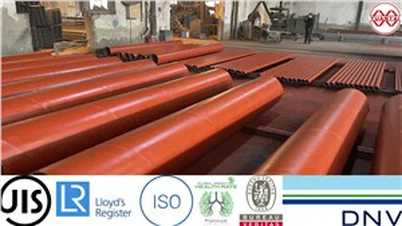
You can watch this video to see the process of galvanization: https://www.youtube.com/shorts/Zh7Ql0wb_0A