

What Is The Procedure For Forming Square Tube Steel?
Leave a message
1. What is the procedure for forming square tube steel?
After being processed and rolled, strip steel is used to create the square tube steel. Ordinary steel must go through a unique forming process in order to be formed into square tube steel. Typically, there are three types:
(1) Convert to a square
The steel is first formed into a round tube, which is then incrementally deformed into square tube steel.
(2) Create a square obliquely.
The steel is carefully bent into square tube steel with the corners sized after welding.
(3) Create a square with the rollers.
After welding, the steel's corners are first pre-bent with a large arc before being individually deformed and finished into square tube steel.
Which method—forming a square by a circle or forming a square directly—is better given that of these three forming techniques, those two are the two that are most frequently used?
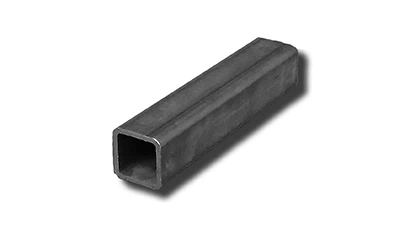
2. Should square tube steel be turned into a square first or just into a square?
The two square-shaped formation techniques have advantages over each other as well as over squares that have a round or direct shape. The debate over which is superior is still ongoing. The benefits and drawbacks of the two forming techniques will be described in the sections that follow:
(1) The benefits and drawbacks of rounded square tube steel
The round shape forming also has a relatively low material utilization rate, high forming power, poor commonality of multi-pass rolls, etc. However, the square and rectangular tubes formed by the round shape are of good quality, the unit's forming speed is quick, the inner angle R is equal, and the welding seam is flat. Additionally, if the hole design is illogical when producing thick-walled pipes, it is simple to result in a significant buildup of metal in the corners and even fracture.
(2) Benefits and drawbacks of making square tube steel directly
Fewer forming passes, material savings, low unit energy consumption, and good roll sharing are the benefits of direct squaring. On the other hand, the disadvantages primarily stem from the fact that the inner angle R is not equal, the corners will get thinner, the welds won't be smooth, and the unit is formed. relative sluggish
In conclusion, each of the two molding techniques has pros and cons of its own. When making a decision, the main focus should be on thoroughly weighing and comparing the two aspects of product properties and economic benefits, then selecting the best molding technique.


