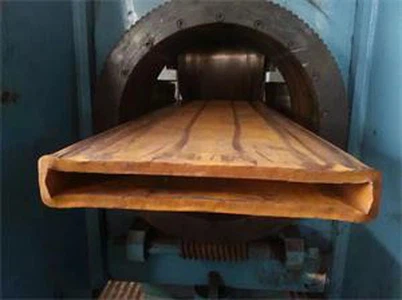
Small Knowledge Points About Purchasing Square Tube Size Deviation
Leave a message
The formed square tube will be labeled with both a nominal and actual size. The nominal square tube size is the ideal size that people hope the square tube will have, whereas the actual square tube size is the size of the square tube. Make a note of everything. It is made available for consumers to compare.
For square and rectangular tubes, there are variations and tolerances. The square tube's tolerance determines its own allowable deviation size, and the deviation is the difference between the actual size and the accepted size. Since few square tubes can fully conform to the standard size, some deviations are common.
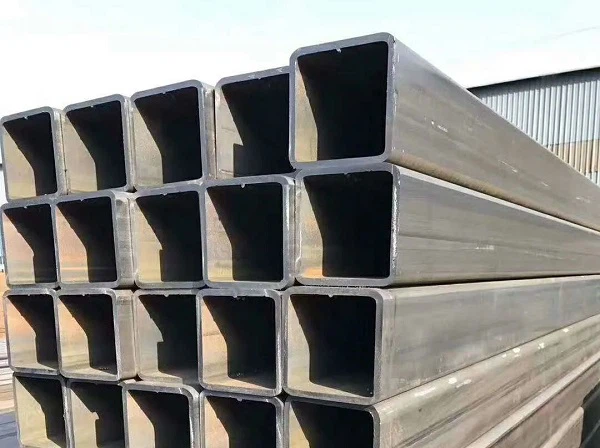
Square and rectangular tubes can be delivered in a variety of lengths, including normal, fixed, and multiple lengths. The specified length is known as the fixed-length length, the multiple of the single-length length of the square and rectangular tube is known as the double-length length, and the length can be referred to as the normal length as long as it falls within the standard range of the other side.
The R angle is also the ovality of the rectangular tube. Some of the outer diameters of each rectangular tube will be different. The ovality of the rectangular tube at this time is the difference between its outer diameters. The rectangular tube's ovality should be as small as possible.
A square hollow tube's deflection can be calculated online. Metal hollow structural parts with square or rectangular tube sections are produced. The typical steel specification used for hollow structural tubes is ASTM A500. Round, square, and rectangular welded carbon steel tubing are formed in accordance with this specification. Based on the length of the beam, square tube size, decimal gauge, and load, this square tubing deflection calculator determines the tube's deflection for square tubing.
When purchasing square tubes, it's essential to pay attention to the size deviation to ensure the tubes will fit your project's requirements. Here are some small knowledge points to consider:
Square tubes have a nominal size and an actual size. The nominal size is the size used to identify the tube, while the actual size is the size of the tube after manufacturing.
The size deviation is the difference between the actual size and the nominal size. It's essential to check the size deviation to ensure the tube fits your project's requirements.
The size deviation can be either positive or negative. A positive deviation means that the actual size is larger than the nominal size, while a negative deviation means that the actual size is smaller than the nominal size.
The size deviation can be expressed as a percentage or as an absolute value. The percentage deviation is calculated by dividing the size deviation by the nominal size and multiplying by 100.
The American Society for Testing and Materials (ASTM) has established standards for the size deviation of square tubes. These standards ensure that the deviation falls within an acceptable range and varies depending on the tube's size and thickness.