Ship Classification Societies: Ensuring Safe Marine Offshore Steel Pipe Construction
Leave a message
Offshore and marine construction projects require high-quality steel tubes that can withstand harsh marine environments, extreme temperatures, and high pressures. To ensure the safety and reliability of these structures, ship classification societies play a vital role in regulating the design, construction, and operation of offshore and marine structures.
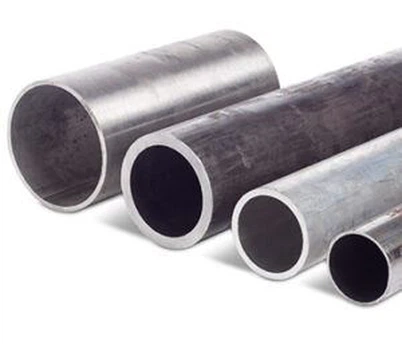
One of the key components of marine offshore steel pipe construction is the use of high-strength steel tubes that can withstand the harsh marine environment. These steel tubes must be designed and manufactured to meet the rigorous standards set by ship classification societies such as Lloyd's Register, Bureau Veritas, and DNV GL.

Steel tubes used in marine construction must meet the requirements for offshore and marine grades. The steel must be able to resist corrosion from seawater and chemicals, maintain its structural integrity under high loads and pressure, and withstand extreme temperatures. These requirements are necessary to ensure the safety and durability of offshore structures, such as oil rigs, pipelines, and wind turbines.
The application of steel tubes in marine construction is widespread, including but not limited to, the construction of ship hulls, offshore platforms, and subsea pipelines. The steel tubes used in these applications are subjected to intense stress, which can cause fatigue, corrosion, and other forms of structural damage. Thus, the quality of steel tubes used in marine construction is paramount to the safety and longevity of the offshore structure.
In recent news, ship classification societies have been working with offshore and marine construction companies to develop new technologies and materials that can improve the safety and reliability of offshore structures. For example, Lloyd's Register has been working with a consortium of offshore companies to develop a new standard for offshore wind turbine foundations. The standard aims to improve the safety and efficiency of offshore wind turbines by incorporating new materials, design standards, and installation procedures.
Bureau Veritas has also been working with offshore companies to develop new materials and technologies for subsea pipelines. The goal is to improve the safety and durability of these pipelines by developing new corrosion-resistant coatings and high-strength steel tubes.
In conclusion, ship classification societies play a crucial role in ensuring the safety and reliability of offshore and marine structures. By regulating the design, construction, and operation of these structures, they ensure that high-quality steel tubes are used, and rigorous standards are met. As offshore and marine construction projects continue to grow in complexity and scale, ship classification societies will continue to play a vital role in ensuring their safety and longevity.