How Many ASTM Standards Are There?
Leave a message
There are a considerable number of ASTM standards that address steel tubes. The American Society for Testing and Materials (ASTM) is an international organization. It develops and publishes technical standards for materials, products, systems, and services. Steel tubes can use in various industries, including construction, manufacturing, and transportation. There are many ASTM standards related to their properties, specifications, and performance.

One of the most significant ASTM standards in the field of steel tubes is ASTM A500. It sets the requirements for cold-formed welded and seamless carbon steel structural tubing in rounds, squares, and rectangles. This standard covers the physical and mechanical properties, tolerances, dimensions, and other essential aspects of steel tubes used for structural purposes.
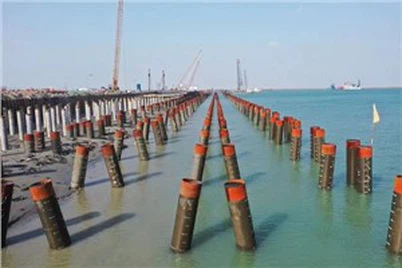
ASTM A53 specifies the seamless and welded black and hot-dipped galvanized steel pipe for high-temperature and high-pressure service. ASTM A106 is another essential standard that covers seamless carbon steel pipe for high-temperature service, while ASTM A179 specifies the seamless cold-drawn low-carbon steel tubes for heat exchangers and condensers. Other relevant ASTM standards for steel tubes include A252 for welded and seamless steel pipe piles, A333 for seamless and welded steel pipe for low-temperature service, A513 for electric-resistance-welded carbon and alloy steel mechanical tubing, and A519 for seamless carbon and alloy steel mechanical tubing.
The ASTM standards for steel tubes cover a wide range of applications and industries. They provide the necessary guidelines and specifications for ensuring the quality, performance, and safety of steel tubes used in critical applications. For instance, ASTM A213 sets the requirements for seamless ferritic and austenitic alloy-steel boilers, superheaters, and heat-exchanger tubes used in high-temperature applications. ASTM A269 specifies the seamless and welded austenitic stainless steel tubing for general service, while ASTM A270 covers the seamless and welded austenitic and ferritic/austenitic stainless steel sanitary tubing used in the food and beverage industry.
In conclusion, there are many ASTM standards related to steel tubes that cover various aspects such as the physical and mechanical properties, specifications, and performance of steel tubes used in different industries. These standards provide the necessary guidance for manufacturers, suppliers, and users to ensure the quality, safety, and reliability of steel tubes in various applications.