Common Hot Dip Coating Types
Leave a message
| Plating metal | Melting point ℃ | Hot-dip temperature℃ | Specific heat j/(kg·℃) | The coating characteristics |
| zinc | 419.4 | 450-480 | 0.094 | Good corrosion resistance |
| aluminum | 658.7 | 700-750 | 0.261 | Excellent corrosion resistance, good heat resistance |
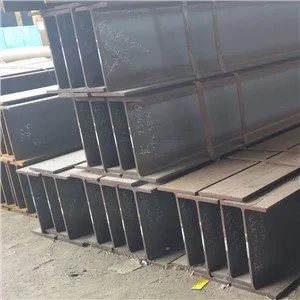
Hot dip coating is the most widely used hot dip galvanizing. When iron and steel materials are exposed to atmospheric, soil, water and other corrosive conditions, hot dip galvanizing is the most common, effective and economical means of protection, such as steel structure of workshop, power transmission tower, bridge structure, highway guardrail and construction, vehicle manufacturing, etc.
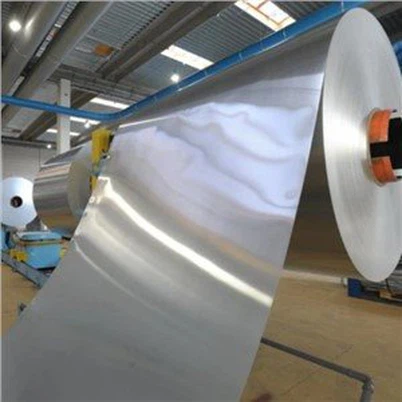
Hot aluminum plating is also one of the main hot plating varieties, characterized by good sulfur corrosion resistance and high temperature oxidation resistance (below 500℃) performance, mainly used in industrial atmospheric environment containing sulfur dioxide and manufacturing stoves, automobile exhaust pipes, grain dryers, etc..
In addition to zinc and aluminum, there are different components of zinc-aluminum alloy hot dip coating, such as composition of 55% aluminum a 43.5% zinc a 1.5% silicon aluminum zinc alloy coating (international trademark named Galvalume) and composition of 95% zinc a 5% aluminum a 0.1% cerium lanthanum mixed rare earth zinc aluminum alloy coating (international trademark named Galfan), It is a new coating developed on the basis of hot dip galvanizing, and its corrosion resistance can be improved several times. Hot dip tin plating process is the old traditional production process of tin plating thin steel plate used in food cans, but by the end of the 1960s has been basically replaced by tin plating process, except for a small number of special uses that require thicker tin plating layer, hot dip tin plating method of steel plate has been eliminated.